 Menu
Menu
 Close
Close
Việc ứng dụng Internet vạn vật (Internet of Things - IoT) trong lĩnh vực y tế đang phát triển đặc biệt tích cực trên phạm vi toàn cầu, với tốc độ tăng trưởng trung bình lên tới 20%/năm.

Theo dữ liệu mới nhất, phân khúc IoT y tế đang phát triển đặc biệt tích cực, tăng trưởng với tốc độ trung bình khoảng 20%/năm. Sự tăng trưởng đó đồng nghĩa với việc nguồn đầu tư vào lĩnh vực này cũng được tăng cường, với khoản đầu tư kỷ lục hơn 300 tỷ USD dự kiến vào năm 2025.
Vai trò của IoT trong y học
IoT là một mạng lưới các thiết bị được kết nối và giao tiếp với nhau. Trong y học, mạng lưới này có thể bao gồm mọi thứ, từ máy đo huyết áp thông minh đến hệ thống theo dõi bệnh nhân phức tạp. Ví dụ: Thiết bị theo dõi huyết áp tự động gửi dữ liệu đến điện thoại thông minh của bệnh nhân và bác sĩ hoặc bút đo insulin thông minh tự động ghi và truyền dữ liệu về lượng insulin được bệnh nhân sử dụng. Những thiết bị này không chỉ giúp cuộc sống của bệnh nhân dễ dàng hơn mà còn giảm bớt gánh nặng cho nhân viên y tế.
Với sự phát triển của công nghệ trí tuệ nhân tạo (AI), khả năng của IoT trong y học ngày càng trở nên rộng lớn hơn. AI đã chứng tỏ được khả năng của mình trong chẩn đoán, phân tích dữ liệu y tế và đưa ra khuyến nghị cho bệnh nhân. Ví dụ: Các hệ thống dựa trên AI phân tích hình ảnh y tế để phát hiện bệnh ở giai đoạn đầu.
Ưu điểm và hạn chế của ứng dụng IoT trong y học
Việc sử dụng IoT trong y học mang lại nhiều lợi ích. Nó cho phép giảm chi phí, tối ưu hóa nguồn lực và cải thiện chất lượng chăm sóc sức khỏe. Dù vậy, IoT cũng còn có những hạn chế nhất định, chẳng hạn như vấn đề tương thích giữa các hệ thống, yêu cầu bảo mật dữ liệu và thiếu tiêu chuẩn quản trị. Tuy nhiên, những lợi ích mà IoT mang lại khiến nó trở thành một trong những lĩnh vực công nghệ ứng dụng hứa hẹn nhất trong y học.
Xu hướng và triển vọng toàn cầu
Hiện đã có rất nhiều trường hợp thành công về triển khai IoT trong y học trên thị trường toàn cầu. Ví dụ: Dịch vụ đối thoại của Canada cho phép bạn đặt lịch hẹn với bác sĩ chuyên khoa vào bất kỳ thời điểm nào trong ngày; trong khi, công ty khởi nghiệp Ada Health của Đức đã sử dụng AI để chẩn đoán các triệu chứng cho bệnh nhân. Phân khúc này cũng đang tích cực phát triển ở Nga và nhiều công ty đã cung cấp các giải pháp sáng tạo trong lĩnh vực này.
Do đó, có thể khẳng định IoT đang được ứng dụng tích cực vào lĩnh vực y tế, mang đến những cơ hội mới cho chẩn đoán. Đồng thời, sự tác động đến lĩnh vực y tế trên phạm vi toàn cầu của IoT cũng đồng nghĩa là nó mở ra triển vọng đầu tư to lớn.
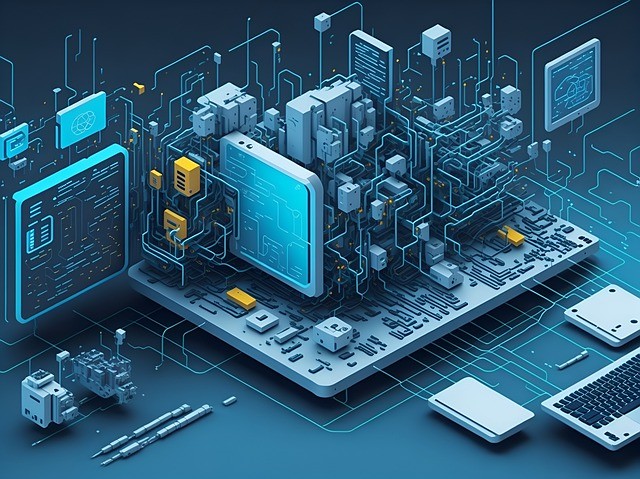
Công nghệ IoT cung cấp cho các chuyên gia chăm sóc sức khỏe các công cụ để theo dõi và chăm sóc bệnh nhân hiệu quả hơn. Chúng cho phép các bác sĩ thu được dữ liệu theo thời gian thực về tình trạng của bệnh nhân, từ đó có thể cứu sống và cải thiện chất lượng chăm sóc y tế. Ngoài ra, công nghệ này có thể được sử dụng để tạo ra các kế hoạch điều trị riêng lẻ, có tính đến đặc điểm của từng bệnh nhân.
Tuy nhiên, bên cạnh những lợi thế đó, cũng có những thách thức nhất định liên quan đến việc triển khai IoT trong y học. Các vấn đề về bảo mật dữ liệu, vấn đề tương thích của thiết bị, nhu cầu đào tạo nhân viên y tế về các công nghệ mới đều cần được quan tâm và giải quyết.
Xét một cách toàn diện, IoT có tiềm năng to lớn để biến đổi lĩnh vực y tế. Chúng mang đến những cơ hội mới để cải thiện chất lượng chăm sóc, tối ưu hóa nguồn lực và giảm chi phí.
Nguồn: Internetandthings / vietnamnet
Tin liên quan
- PHARMEDI & HEALTHCARE VIETNAM 2026: BRINGING TOGETHER THE SOLUTIONS SHAPING THE FUTURE OF HEALTHCARE
- Việt Nam và Đan Mạch khởi động giai đoạn 3 Chương trình hợp tác y tế
- Nhật Bản chuyển giao công nghệ sản xuất vaccine Covid-19 cho Việt Nam
- Một số dự án mời gọi thầu cung cấp vật tư, thiết bị y tế ( cập nhật ngày 02-05 /08/2019)
- Một số dự án mời gọi thầu cung cấp vật tư, thiết bị y tế (cập nhật ngày 23,24/07/2019)