
 Menu
Menu
 Close
Close
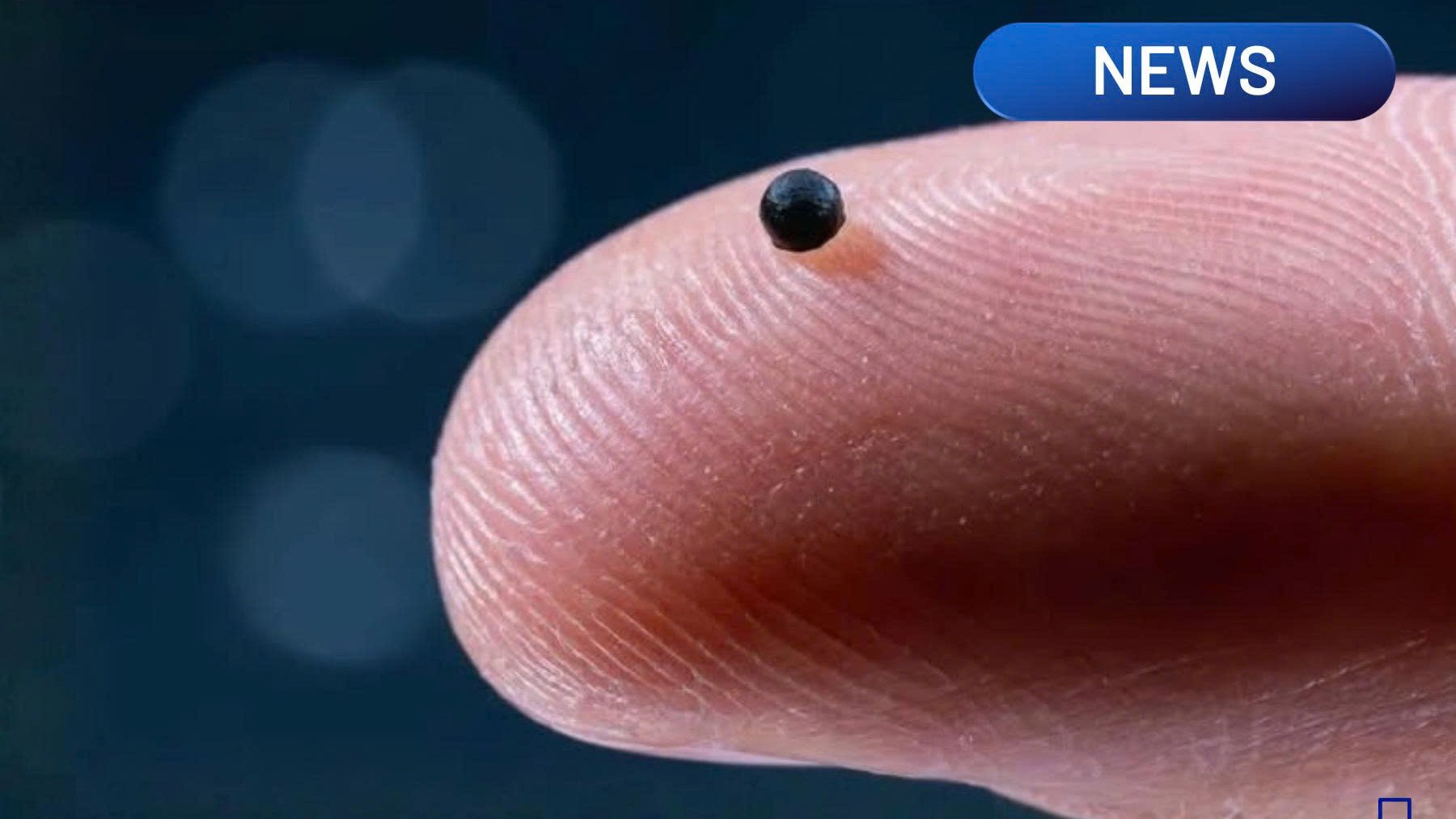
Các nhà khoa học đang phát triển một công nghệ đột phá: những robot siêu nhỏ có thể di chuyển trong mạch máu để phá vỡ cục máu đông – nguyên nhân chính gây đột quỵ. Điểm đặc biệt là chúng không phải là những cỗ máy tự động, mà là các hạt hình cầu được điều khiển bằng từ trường, chứa thuốc điều trị và một lượng nhỏ chất đánh dấu phóng xạ để bác sĩ theo dõi hành trình.
Mục Lục
- Phương Pháp Điều Trị Hiện Tại và Hạn Chế
- Giải Pháp Mới Từ ETH Zurich
- Thách Thức Kỹ Thuật
- Cơ Chế Điều Khiển Robot
- Kết Quả Thử Nghiệm
- Tiềm Năng Ứng Dụng Tương Lai
Phương Pháp Điều Trị Hiện Tại và Hạn Chế
Hiện nay, phương pháp điều trị phổ biến cho bệnh nhân đột quỵ là tiêm thuốc làm tan cục máu đông (thrombus). Tuy nhiên, do hệ tuần hoàn quá rộng, bác sĩ phải sử dụng liều thuốc cao để đảm bảo thuốc đến đúng vị trí, dẫn đến nguy cơ biến chứng nghiêm trọng như xuất huyết nội.
Giải Pháp Mới Từ ETH Zurich
Nhóm nghiên cứu tại ETH Zurich (Thụy Sĩ) tin rằng họ đã tìm ra giải pháp an toàn hơn. Trong nghiên cứu công bố trên tạp chí Science, các chuyên gia đã chế tạo viên nang gel hòa tan, chứa hạt oxit sắt để tạo từ tính và hạt tantalum giúp quan sát bằng X-quang. Thách thức lớn nhất là làm sao viên nang đủ nhỏ để đi qua mạch máu não nhưng vẫn có khả năng từ tính mạnh.
Thách Thức Kỹ Thuật
"Các mạch máu trong não người rất nhỏ, nên kích thước viên nang bị giới hạn. Vấn đề kỹ thuật là đảm bảo viên nang nhỏ vẫn có tính từ đủ mạnh," nhà nghiên cứu Fabian Landers cho biết.
Cơ Chế Điều Khiển Robot
Để điều khiển robot, nhóm sử dụng ba chiến lược từ trường khác nhau. Một từ trường xoay giúp robot di chuyển với tốc độ 4 mm/giây, trong khi từ trường biến đổi có thể kéo robot ngược dòng máu với tốc độ lên tới 20 cm/giây. "Lượng máu chảy trong mạch rất lớn và tốc độ cao, hệ thống điều hướng phải đủ mạnh để vượt qua điều đó," Landers nói.
Kết Quả Thử Nghiệm
Sau khi thử nghiệm thành công trên mô hình mạch máu nhân tạo, nhóm tiến hành thử nghiệm trên động vật. Kết quả cho thấy trong 95% trường hợp, robot đưa thuốc đến đúng vị trí trong mạch máu của lợn. Thử nghiệm trong dịch não tủy của cừu cũng thành công, mở ra khả năng ứng dụng cho nhiều liệu pháp khác.
Tiềm Năng Ứng Dụng Tương Lai
"Đây là môi trường giải phẫu phức tạp với tiềm năng lớn cho các can thiệp điều trị. Chúng tôi rất phấn khích khi robot có thể định vị chính xác trong môi trường này," Landers chia sẻ.
Công nghệ microrobot điều khiển bằng từ trường được kỳ vọng sẽ trở thành bước tiến quan trọng trong điều trị đột quỵ và nhiều bệnh lý khác, nhờ khả năng đưa thuốc đến đúng vị trí một cách an toàn và hiệu quả.
Nguồn: https://www.popsci.com/health/microrobot-blood-vessel-strok
Tin liên quan
- Vụ trưởng Nguyễn Đình Anh: Việt Nam được đánh giá là nước đầu tư về y tế có hiệu quả
- Một số dự án mời gọi thầu cung cấp vật tư, thiết bị y tế (cập nhật ngày 23,24/07/2019)
- Lô thiết bị y tế trị giá 126 tỷ đồng từ Thụy Sĩ đến Việt Nam
- Vietnam’s Growing Pharmaceutical Market
- KHÁM PHÁ LỊCH TRÌNH CHUỖI HỘI THẢO QUỐC TẾ BA NGÀY TẠI PHARMEDI & HEALTHCARE VIETNAM 2026