

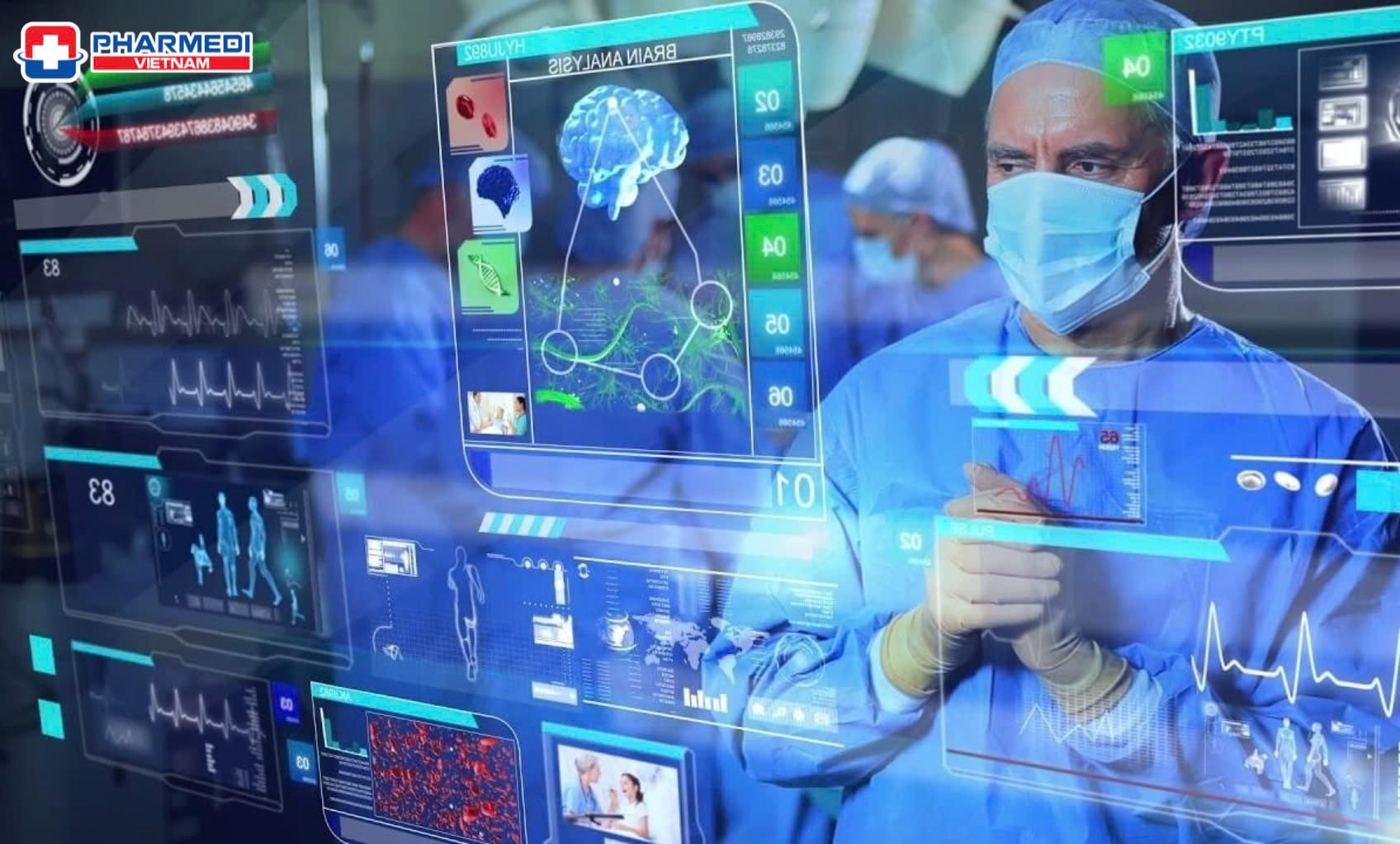
The rapid advancement of new information technologies such as the Internet of Things (IoT), Big Data, Cloud Computing, and Artificial Intelligence (AI) is driving a revolution in the healthcare sector. "Smart Healthcare" is transforming traditional healthcare systems, bringing efficiency, convenience, and personalization to patient care.
The Concept of Smart Healthcare
The idea of "Smart Healthcare" can be traced back to IBM's "Smart Planet" concept, introduced in 2009. Smart Planet was an infrastructure that used sensors to collect information, transmit it via IoT, and process it with supercomputers and cloud computing. This enabled flexible and precise social coordination and management.
In healthcare, Smart Healthcare refers to a service system that leverages technology and medical devices such as wearables, IoT, and smartphones to access information seamlessly. It connects individuals, data, and healthcare organizations, enabling intelligent medical management and response.
Key Transformations in Smart Healthcare Systems
The development of technology has significantly reshaped healthcare systems, improving service quality and optimizing treatment efficiency. Here are some key changes in Smart Healthcare:
1. Shift to a Patient-Centered Model
Traditional healthcare systems primarily focused on disease treatment, adopting a disease-centric approach. However, Smart Healthcare shifts the focus to a patient-centered model. This means that healthcare services are designed to meet the individual needs and conditions of each patient, ensuring a more comprehensive and personalized care experience.
2. Regional Integration of Healthcare Information
Previously, medical data was primarily digitized at the hospital or clinic level, making overall management difficult. With Smart Healthcare, medical data is integrated regionally, synchronizing information across healthcare facilities. This enhances treatment effectiveness and supports quicker decision-making.
3. Personalized Healthcare Management
Instead of a standardized healthcare management approach, Smart Healthcare enables personalized management. Each patient has an electronic health record (EHR) that is continuously updated, allowing for close health monitoring, early disease risk prediction, and customized treatment recommendations.
4. Emphasis on Preventive Healthcare
Traditional healthcare has focused mainly on treatment after illness occurs. However, Smart Healthcare prioritizes preventive care, facilitating early disease detection, healthy lifestyle guidance, and proactive health management solutions. This not only reduces the burden on healthcare systems but also improves overall public health.
The Impact of Smart Healthcare
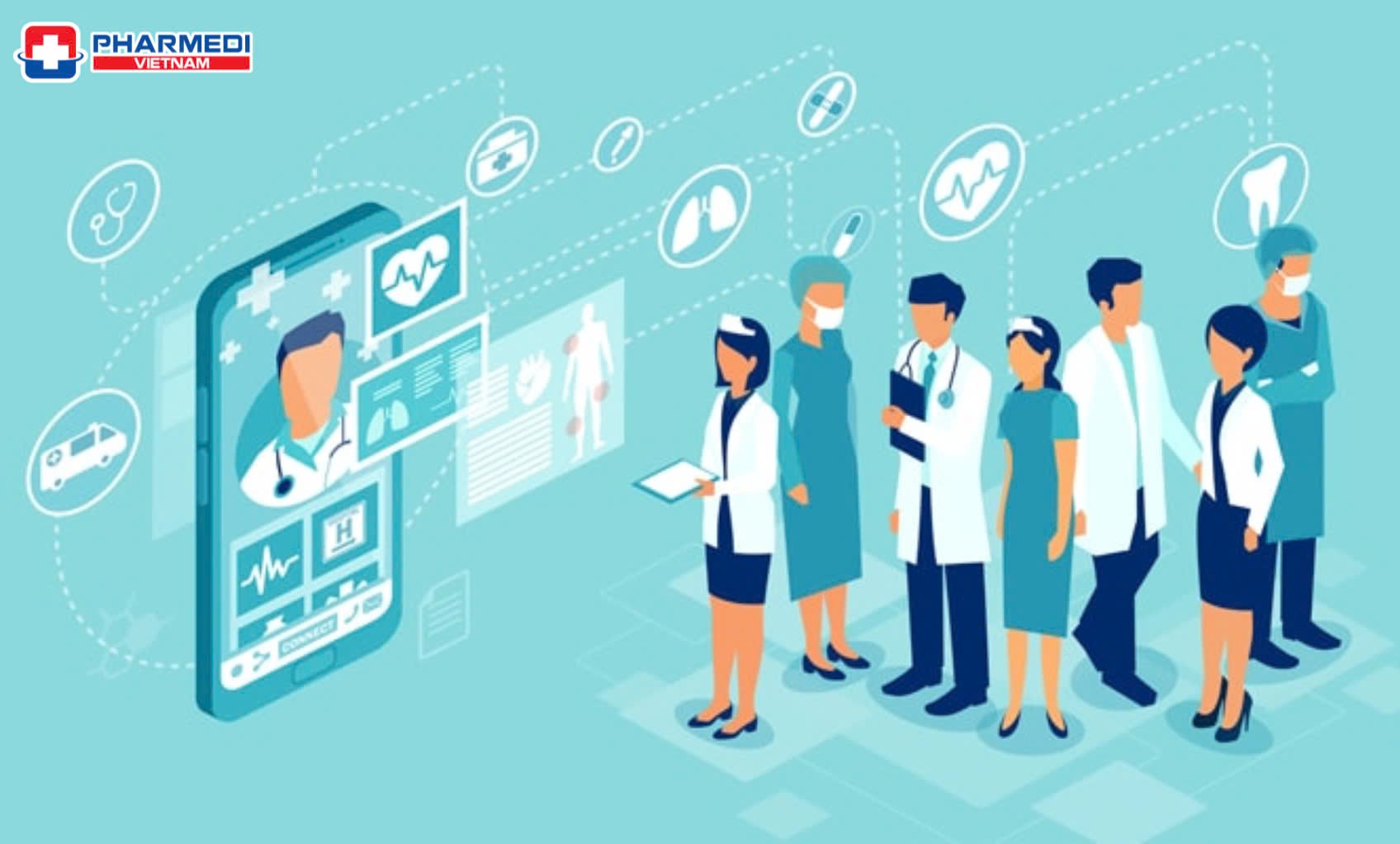
Smart Healthcare has far-reaching effects on various aspects of medical services, from disease prevention and monitoring to diagnosis, treatment, hospital management, and medical research. Below are some specific impacts:
For Patients
- Patients can use smart health devices, such as wearables, to monitor their health anytime, anywhere.
- They can seek medical assistance through virtual assistants.
- Telemedicine services allow remote healthcare consultations and treatments.
For Doctors
- Smart clinical decision-support systems enhance diagnostic accuracy (e.g., X-ray and MRI analysis).
- Doctors can manage patient data through integrated platforms, including:
- Laboratory Information Systems (LIS)
- Picture Archiving and Communication Systems (PACS)
- Electronic Medical Records (EMR/EHR)
- Surgeries are increasingly assisted by robotic surgical systems.
For Hospitals
- Radio Frequency Identification (RFID) technology is used for staff management and supply chain tracking.
- Integrated management platforms collect real-time data to support decision-making.
- Smart cameras monitor hospital operations, detect patient abnormalities, and optimize staff allocation.
For Pharmaceutical Developers
- Machine learning algorithms and AI optimize drug research and development.
- AI assists in designing and identifying new molecular structures for targeted drug development.
- Some studies suggest that AI-driven drug discovery can shorten development time from five years to just 12 months.
For Scientific Research Institutions
- Machine learning and Big Data analysis are replacing traditional manual drug screening methods.
- Generative AI is emerging as a revolutionary trend, reshaping medical research methodologies in the coming years.
Exploring Smart Healthcare Technologies at PHARMEDI VIETNAM 2025

Smart Healthcare not only enhances healthcare quality but also optimizes management processes and resource allocation. Vietnam’s largest international healthcare exhibition, PHARMEDI VIETNAM 2025, is the gateway to innovation, networking, and breakthroughs in this field.
The event will feature over 1,000 exhibition booths showcasing the latest advancements in medical equipment, pharmaceuticals, healthcare solutions, and smart healthcare technologies. Attendees will gain insights into the newest trends and technologies while expanding their business sustainably, positioning themselves as leaders in the digital healthcare transformation era.
? Register your booth today! Don’t miss the chance to connect with top industry names and elevate your brand to new heights!
Source: Journal of Global Health Reports