


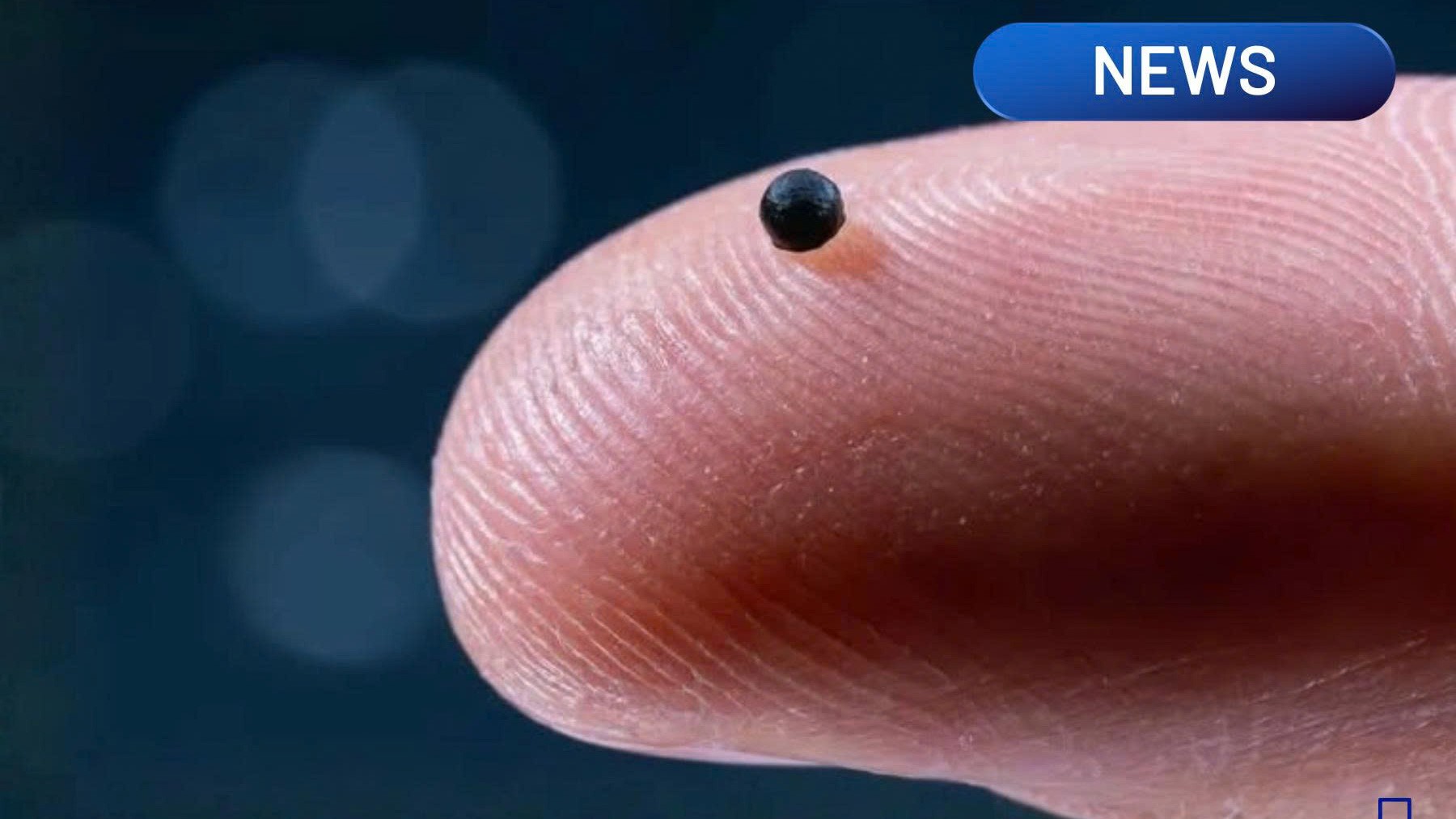
Scientists are working on a groundbreaking technology: microscopic robots that can travel through blood vessels to break up clots—the leading cause of strokes. These aren't autonomous machines, but magnetically guided spheres packed with medication and a small radioactive tracer so doctors can track their journey. This revolutionary approach promises to transform stroke treatment by delivering precise, targeted therapy while minimizing dangerous side effects.
Table of Contents
- Current Stroke Treatment and Limitations
- ETH Zurich's Innovative Solution
- Technical Challenges and Design
- Magnetic Control Mechanisms
- Testing Results and Success Rates
- Future Medical Applications
Current Stroke Treatment and Limitations
Currently, stroke treatment often involves injecting drugs to dissolve blood clots (thrombi). Because the circulatory system is vast, doctors must use high doses to ensure the medicine reaches the right spot, which increases the risk of severe side effects like internal bleeding.
ETH Zurich's Innovative Solution
Researchers at ETH Zurich in Switzerland believe they've found a safer alternative. In a study published in Science, they describe a dissolvable gel capsule infused with iron oxide nanoparticles for magnetization and tantalum particles for X-ray visibility. The biggest challenge? Making the capsule small enough to navigate brain vessels while maintaining strong magnetic properties.
Technical Challenges and Design
"The vessels in the human brain are extremely narrow, so size is limited. The technical challenge is ensuring a capsule this small still has sufficient magnetic strength," explained Fabian Landers, a robotics researcher and coauthor of the study.
Magnetic Control Mechanisms
To steer the microrobot, the team uses three magnetic strategies. A rotating magnetic field moves the robot at speeds up to 4 millimeters per second, while a shifting magnetic gradient can pull it against the blood flow at speeds reaching 20 centimeters per second. "Blood moves through our vessels at remarkable speed, so our navigation system must withstand that," Landers said.
Testing Results and Success Rates
After successful tests in artificial blood vessel models, researchers moved to animal trials. In 95% of cases, the microrobot delivered clot-dissolving drugs to the correct location in pigs. Tests in sheep cerebrospinal fluid also showed promise, suggesting potential for broader medical applications.
Future Medical Applications
"This complex anatomical environment offers enormous potential for future therapies, which is why we were thrilled to see the microrobot navigate it successfully," Landers added.
Magnetically controlled microrobots could mark a major leap forward in stroke treatment and beyond—offering precise, minimally invasive drug delivery deep inside the human body.
Source: https://www.popsci.com/health/microrobot-blood-vessel-strok
Related post
- The demand for medicine and healthcare will gradually increase again in 2022
- Cơ hội phát triển ngành dịch vụ y tế và chăm sóc sức khỏe hậu COVID-19 - Góc nhìn từ Nhật Bản
- VIETNAM: MOH releases new Decree on Medical Device Management - Decree 98/2021/NĐ-CP – November, 2021
- TRIỂN LÃM TRỰC TUYẾN Y TẾ QUỐC TẾ VIỆT NAM – PHARMED & HEALTHCARE VIETNAM 2021
- Why Investors Should be Optimistic About Vietnam’s Healthcare Industry