


3-channel ECG machines and 6-channel ECG machines are common terms used when researching electrocardiograph equipment for hospitals and clinics. In many commercial materials in Vietnam, these terms refer to 3-channel and 6-channel electrocardiographs and are generally related to the number of signal traces that can be recorded or printed simultaneously.
However, a common misconception is that a 3-channel ECG machine can record only three leads, while a 6-channel machine can record only six leads. In practice, both types may support a standard 12-lead ECG, depending on the design and signal-acquisition capability of the specific model.
The difference is often more apparent in how the recording is presented, the number of signal traces printed within the same group, paper size, display interface, and workflow convenience.
Therefore, when choosing between a 3-channel and 6-channel ECG machine, healthcare facilities should evaluate signal-acquisition capability, recording quality, report format, operational requirements, and total operating cost, rather than relying only on the channel count stated in the product name.
What Are 3-Channel and 6-Channel ECG Machines?
An electrocardiograph, also called an ECG machine, is a device that acquires the electrical activity of the heart and presents it as an electrocardiogram for professional assessment.
Both 3-channel and 6-channel ECG machines belong to this equipment category. The main distinction relates to the recording-channel configuration and the way signals are presented according to the manufacturer's design.
What Is a 3-Channel ECG Machine?
A 3-channel ECG machine generally refers to a device capable of recording or printing three ECG signal traces simultaneously in a given operating mode.
Some 3-channel machines support:
- Standard 12-lead ECG acquisition.
- Display of multiple leads on the screen.
- Printing three signal traces in each group.
- Automatic measurement of certain ECG parameters.
- Result storage and report reprinting.
For example, the CONTEC ECG300G is described as a 3-channel electrocardiograph but supports simultaneous 12-lead acquisition, multiple printing layouts, and result storage.
Therefore, the term 3-channel does not mean that the device can acquire only three leads.
What Is a 6-Channel ECG Machine?
A 6-channel ECG machine generally refers to a device capable of recording or printing six signal traces simultaneously in the corresponding configuration.
Like 3-channel machines, some 6-channel models also support full standard 12-lead ECG acquisition.
Differences may involve:
- Number of signal traces presented within the same group.
- Report layout and print size.
- Preview capability.
- Paper type and printer design.
- Integrated software functions.
However, a 6-channel ECG machine does not automatically provide better signal quality than a 3-channel machine. Recording accuracy and performance also depend on the acquisition system, signal processing, and other technical specifications.
1. How Do 3-Channel and 6-Channel ECG Machines Differ?
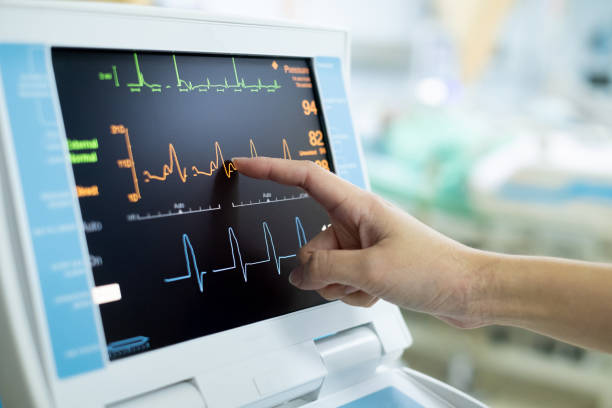
To compare the two device groups, it is first necessary to distinguish the stated channel count from the device's actual ECG-acquisition capability.
Comparison of 3-Channel and 6-Channel ECG Machines
| Criterion | 3-Channel ECG Machine | 6-Channel ECG Machine |
|---|---|---|
| Common name | 3-channel electrocardiograph | 6-channel electrocardiograph |
| Number of signal traces recorded/printed | Typically supports 3 traces at a time | Typically supports 6 traces at a time |
| 12-lead ECG | May be supported | May be supported |
| Simultaneous 12-lead acquisition | Depends on the model | Depends on the model |
| Common print layout | 3 × 4 | 6 × 2 |
| Paper size | Depends on printer design | Depends on printer design |
| Display | Varies by model | Varies by model |
| Signal quality | Depends on technical characteristics | Depends on technical characteristics |
| Analysis software | Depends on configuration | Depends on configuration |
| Storage and connectivity | Depends on configuration | Depends on configuration |
| Investment cost | Depends on brand and features | Depends on brand and features |
This comparison is for general reference. Some machines support multiple display and printing modes and are not limited to only the layout associated with the 3-channel or 6-channel designation.
As shown above, the most noticeable difference often lies in how the ECG recording is organized and presented, rather than necessarily in the number of diagnostic leads the machine can acquire.
2. Can a 3-Channel ECG Machine Record a 12-Lead ECG?
It may. This is one of the most important points to clarify when comparing the two equipment groups.
A standard 12-lead ECG typically uses 10 electrodes, including four limb electrodes and six precordial electrodes.
From this electrode system, the device generates 12 leads:
- 6 limb leads: I, II, III, aVR, aVL, and aVF.
- 6 precordial leads: V1, V2, V3, V4, V5, and V6.
According to American Heart Association (AHA) ECG standardization materials, digital electrocardiographs may simultaneously acquire the information required to generate a 12-lead recording.
Meanwhile, the recording or printing channel count relates to how the device organizes and presents the signal.
Distinguishing Electrodes, Leads, and Channels
| Concept | Meaning |
|---|---|
| Electrode | Component that contacts the body to acquire electrical signals |
| Lead | A representation of cardiac electrical activity from a particular electrical perspective |
| Recording/printing channel | May refer to the number of signal traces recorded, displayed, or printed simultaneously according to the device design |
For example, a 3-channel ECG machine may acquire a 12-lead ECG simultaneously but present the report in four groups, each containing three leads.
Similarly, a 6-channel machine may present the same amount of information in two groups, each containing six leads.
The number of printing channels should not be used to determine how many diagnostic leads the machine provides.
Are Simultaneous and Sequential Acquisition the Same?
No.
These are two different characteristics that should be checked in the technical documentation.
Simultaneous acquisition means the required signals are recorded during the same time interval according to the system design.
Sequential acquisition means data are recorded over successive time intervals or in successive signal groups.
Some digital ECG machines can simultaneously acquire 12 leads while still offering multiple grouped printing formats.
Therefore, facilities should determine whether the machine provides simultaneous 12-lead ECG acquisition rather than looking only at the number of traces printed on paper.
3. Differences in ECG Display and Printing
In routine use, print format is one of the most visible differences between 3-channel and 6-channel ECG machines.
3 × 4 Format
The 3 × 4 format commonly presents the 12 leads in four groups or columns, with three signal traces in each group.
This is a common layout in systems that support three-channel printing.
Some machines may also add a longer rhythm strip depending on the selected printing mode.
6 × 2 Format
The 6 × 2 format commonly presents the 12 leads in two groups or columns, with six signal traces in each group.
This layout may allow more traces to be viewed within the same group and may be convenient for the facility's report-review workflow.
However, the duration displayed for each lead and the ability to compare signals from the same time period depend on the acquisition mode, report formatting, and device software.
Does a 6-Channel Machine Print Faster Than a 3-Channel Machine?
This cannot be concluded in every case.
Some 6-channel machines may reduce the number of signal groups that need to be presented on the printout compared with a 3-channel mode. However, total report-completion time also depends on:
- Printing speed.
- Printer type.
- Paper size and length.
- Report layout.
- Duration of the printed signal.
- Software processing time.
Therefore, if a hospital wants to assess printing efficiency, it should request that suppliers print the same ECG recording on the models being compared.
Some devices also allow users to select several different layouts rather than being limited to only 3 × 4 or 6 × 2 formats.
For example, documentation for the CONTEC ECG300G and Bionet Cardio7 describes multiple ECG presentation formats, illustrating that channel count and print layout are not always fixed to one another.
4. Is a 6-Channel ECG Machine More Accurate Than a 3-Channel Machine?
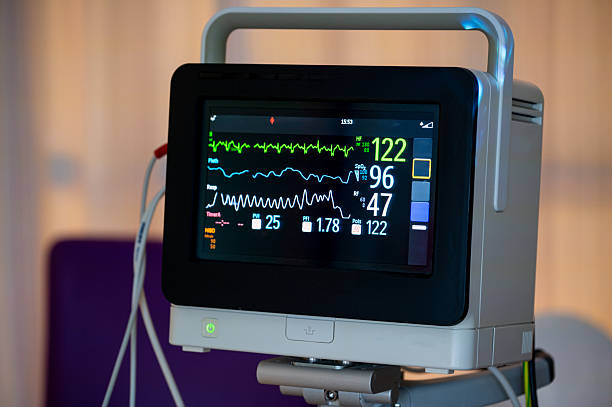
Not necessarily.
The number of recording or printing channels is not the only specification that determines ECG signal quality.
Two devices with different channel counts may still provide 12-lead ECG acquisition and comparable signal performance within an appropriate intended-use scope.
Conversely, two machines both marketed as 6-channel devices may differ substantially in signal-acquisition and processing performance.
Technical Specifications More Important Than Channel Count
When comparing devices, facilities should review:
Sampling rate: Relates to how the signal is digitized over time.
Resolution: Reflects the system's ability to distinguish changes in the acquired signal according to the design of the acquisition system.
Frequency response: Relates to the device's ability to record different frequency components of the ECG signal.
Noise rejection: Helps reduce interference from mains electricity and other sources of noise.
Signal filters: May help reduce noise but should be used appropriately to avoid distorting waveform characteristics.
Electrical safety: Includes protective characteristics and technical requirements related to medical electrical equipment.
For example, two devices may both support 12-lead acquisition but use different sampling rates, frequency responses, or processing algorithms, resulting in recordings with different characteristics.
Facilities should therefore evaluate ECG quality on the exact model and configuration intended for use, rather than assuming a 6-channel machine is better than a 3-channel machine.
Relevant Technical Standard
IEC 60601-2-25:2011 specifies particular requirements for the basic safety and essential performance of electrocardiographs designed to produce ECG reports for diagnostic purposes.
During procurement, facilities may request technical documentation, test information, and appropriate evidence related to this standard from the supplier.
5. Comparing Usability in Hospitals and Clinics
In addition to signal-recording performance, differences between 3-channel and 6-channel ECG machines may also affect everyday workflow.
Recording Preview Capability
Some machines allow multiple leads to be displayed on the screen before printing.
This may help staff check signal status, identify disconnected electrodes, or recognize segments containing noise.
However, the display on a 6-channel machine is not automatically larger or clearer than that of a 3-channel machine.
During a demonstration, facilities should check how many leads can be viewed, how the display is switched, and how easy the waveforms are to read.
Printing Paper and Consumables
ECG machines may use different types of thermal paper.
Factors to evaluate include:
- Paper width.
- Roll or fanfold paper.
- Length or number of sheets per package.
- Report format.
- Availability of compatible paper.
- Actual operating cost.
Some 3-channel machines use narrower paper than certain 6-channel machines. However, this is not a universal rule.
Paper cost should not be assessed only by roll width. Actual paper consumption depends on the report layout and the number of reports printed in practice.
Battery and Mobility
If the machine is used in multiple examination rooms or moved between departments, facilities should review:
- Weight.
- Dimensions.
- Carrying handle or trolley.
- Battery runtime.
- Charging capability.
- Convenience of storing ECG lead wires.
A 3-channel machine should not automatically be assumed to be lighter than a 6-channel machine. Actual size depends on the device design and integrated components.
Data Storage and Connectivity
Some modern ECG machines may support:
- ECG recording storage.
- Result search.
- Report reprinting.
- PDF export.
- Data transfer to a computer.
- Connectivity with ECG-management software or hospital systems.
These functions depend on the model rather than the number of channels.
If a hospital needs integration with HIS/EMR, it should confirm export formats, connectivity protocols, and middleware requirements.
Having USB or Wi-Fi connectivity does not mean that the device can automatically integrate with an electronic medical record system.
6. When Should a 3-Channel ECG Machine Be Considered?
A 3-channel ECG machine may be suitable for facilities that need equipment for routine ECG recording with a relatively simple workflow and a print format that meets professional requirements.
Facilities that may consider this option include:
- General clinics.
- Specialty clinics with routine ECG-recording needs.
- Healthcare facilities with a moderate number of ECG examinations.
- Facilities requiring a compact device that can be moved conveniently.
However, the device should not be selected simply because it belongs to the 3-channel category.
Before purchasing, facilities should confirm that the machine supports the required 12-lead ECG capability, provides appropriate signal quality, and includes the necessary storage and reporting functions.
Which Factors Should Be Prioritized?
For routine ECG recording, facilities should focus on:
- 12-lead acquisition.
- Stable signal quality.
- Simple operation.
- Clear printouts.
- Appropriate battery performance.
- Easily replaceable accessories.
- Reasonable purchase and maintenance costs.
A 3-channel machine that performs these functions well may be more appropriate than a feature-rich 6-channel machine whose additional capabilities are not actually used.
7. When Should a 6-Channel ECG Machine Be Considered?

A 6-channel ECG machine may be considered when the facility prioritizes presenting more signal traces within the same group and wants to standardize its report-printing workflow.
Potentially suitable environments include:
- Hospital outpatient departments.
- Cardiology clinics.
- Functional diagnostic units.
- Facilities that frequently print and review ECG recordings.
In environments with a high volume of recordings, interface convenience, printer design, and data-management capability may contribute to improved workflow efficiency.
However, the benefits of a 6-channel machine should be evaluated within the actual workflow. It should not be assumed that increasing the number of channels will automatically reduce the time required for each examination.
Functions Worth Prioritizing
- Simultaneous 12-lead ECG acquisition.
- Suitable print layouts.
- Clear preview display.
- Convenient patient-information entry.
- Data storage and retrieval.
- System connectivity where required.
- Reliable supply of printer paper, batteries, and accessories.
If two models offer comparable functionality, facilities should compare recording quality, operational capability, and lifecycle cost rather than considering channel count alone.
8. Selection Criteria for 3-Channel vs 6-Channel ECG Machines
Hospitals and clinics may use the following framework when making a selection:
| Criterion | What Should Be Confirmed? |
|---|---|
| 1. ECG recording capability | Does the machine support standard 12-lead ECG? Is acquisition simultaneous or sequential? |
| 2. Channel count and printing formats | Number of traces recorded/printed simultaneously and supported report layouts |
| 3. Signal quality | Sampling rate, resolution, frequency response, and noise rejection |
| 4. Display and operation | Preview capability, data entry, and identification of electrode errors |
| 5. Printer and paper | Paper size, printing speed, report format, and consumable availability |
| 6. Analysis software | Automated measurements, supported functions, and algorithm limitations |
| 7. Storage and connectivity | Memory, data export, management software, and HIS/EMR integration |
| 8. Battery and mobility | Battery runtime, dimensions, and operating conditions |
| 9. Technical service | Warranty, ECG lead wires, electrodes, printing paper, and spare parts |
| 10. Lifecycle cost | Purchase price, consumables, software, maintenance, and replacement |
Common Mistakes to Avoid
Assuming a 3-channel machine has only three leads: Failing to distinguish printing channels from the 12-lead ECG system.
Assuming a 6-channel machine is more accurate: Failing to evaluate signal-acquisition and processing specifications.
Comparing only equipment prices: Overlooking the cost of printing paper, electrodes, lead wires, batteries, and software.
Failing to test actual report printing: Not knowing whether the printout fits the facility's review workflow.
Overlooking storage capability: The device may meet initial recording needs but become difficult to manage as examination volume increases.
Failing to check accessories: Difficulties may arise when ECG lead wires, batteries, or compatible consumables need replacement.
9. Questions to Ask Suppliers Before Purchasing
Before selecting a 3-channel or 6-channel ECG machine, healthcare facilities should ask:
1. Does the machine support standard 12-lead ECG?
2. Does the device acquire signals simultaneously or sequentially?
3. Does the stated channel count refer to acquisition, display, or printing channels?
4. Which print layouts are supported and what type of paper is used?
5. Which technical specifications are used to assess signal quality?
6. Does the software support measurement, analysis, and result storage?
7. Can data be exported or connected to a hospital management system?
8. Are batteries, electrodes, lead wires, and printing paper reliably available?
9. Which items are covered by the warranty?
10. What costs are included in multi-year operation?
Before finalizing the device, facilities should ask the supplier to demonstrate recording, preview, printing, and export of the same ECG on the models being compared. This can help reveal practical differences that may not be apparent from specification sheets alone.
Frequently Asked Questions About 3-Channel and 6-Channel ECG Machines
Is a 3-Channel ECG Machine the Same as a 3-Channel Electrocardiograph?
In many commercial materials in Vietnam, these terms are commonly used interchangeably. However, when purchasing equipment, facilities should confirm whether the channel count refers to acquisition, display, or printing capability.
Can a 3-Channel ECG Machine Record a 12-Lead ECG?
Yes, it may. Many 3-channel machines support standard 12-lead ECG. The technical documentation and acquisition method of the exact model should be checked.
Does a 6-Channel ECG Machine Use Six Electrodes?
Not necessarily. A standard 12-lead ECG typically uses 10 electrodes regardless of whether the machine is described as 3-channel, 6-channel, or 12-channel.
Is a 6-Channel ECG Machine Better Than a 3-Channel Machine?
This cannot be determined from channel count alone. A 6-channel machine may offer a more convenient printing layout, but signal quality, software, and operational capability depend on the specific model.
Do 3-Channel and 6-Channel ECG Machines Use Different Printing Paper?
They may use different paper sizes and printing formats, but there is no single paper specification that applies to every machine in either category.
Should a Small Clinic Choose a 3-Channel or 6-Channel ECG Machine?
The decision should begin with ECG-recording needs, examination volume, report-printing workflow, storage requirements, and budget. A 3-channel machine may adequately meet routine needs if its configuration is appropriate, while a 6-channel machine should be considered when its additional presentation and workflow functions provide practical value.
This article is provided for informational purposes regarding the technical differences and selection criteria for 3-channel and 6-channel ECG machines used in healthcare facilities. It does not provide guidance on ECG interpretation or diagnosis. Equipment use and interpretation of results should be performed by qualified personnel according to manufacturer instructions and facility procedures. The international technical standards mentioned do not automatically constitute mandatory legal requirements in Vietnam.
Explore and Compare ECG Systems at Pharmedi Vietnam 2027
For hospitals and clinics, choosing between a 3-channel and 6-channel ECG machine should be based on ECG-recording requirements, signal quality, report-printing workflow, and long-term data-management capability.
In addition to technical documentation, discussions with suppliers and direct review of equipment configurations may help facilities better understand the differences between individual models.
Pharmedi Vietnam 2027, taking place from September 28–30, 2027 at the Saigon Exhibition and Convention Center (SECC), Ho Chi Minh City, provides an opportunity for businesses, professionals, and healthcare organizations to meet, explore technologies, and discuss equipment solutions that support healthcare delivery.
Technology groups related to ECG machines, digital electrocardiographs, and ECG data-management systems are particularly relevant for facilities researching investment in cardiac diagnostic and functional-assessment equipment.
For hospitals and clinics preparing procurement plans, Pharmedi Vietnam 2027 provides an opportunity to explore technology solutions, identify suppliers, and define the technical requirements that should be evaluated when selecting a 3-channel or 6-channel ECG machine.
When discussing solutions with suppliers, healthcare facilities may proactively explore:
- Do the 3-channel and 6-channel devices support simultaneous 12-lead ECG acquisition?
- Does the stated channel count refer to acquisition, display, or printing?
- Are the report format and printing paper suitable for the facility's current workflow?
- How are signal quality, filters, and automated measurement functions evaluated?
- Does the device support data storage or integration with hospital systems?
- Are electrodes, lead wires, batteries, and printing paper reliably supplied in Vietnam?
Preparing these criteria helps healthcare facilities compare equipment configurations, assess their ability to meet ECG-recording needs, and develop a procurement plan suited to the actual scale of operations.
When selecting a 3-channel or 6-channel ECG machine, the key consideration is not simply having more channels, but whether the device provides appropriate ECG acquisition, convenient reporting, effective data management, and reliable long-term operation.
Dates: September 28–30, 2027
Venue: Saigon Exhibition and Convention Center (SECC), Ho Chi Minh City
Exhibition Information: https://pharmed.vn/
Product Categories: https://pharmed.vn/exhibitors/products
Exhibitor registration, visitor registration, and program information will be updated according to official announcements from the Pharmedi Vietnam 2027 Organizing Committee.