


After thorough preparations, starting November 1, 2025, all 55 commune health stations and 92 newly established satellite stations under Quảng Ninh’s two-tier government model officially commenced operations, ensuring comprehensive coverage across residential areas.
Table of Contents
- Streamlined and Efficient Health Network Reorganization
- Strengthening and Developing Human Resources
- Improving Service Quality and Public Trust
- Future Goals and Direction
With strong support from the provincial government, the network of commune and ward health stations in Quảng Ninh will receive increased investment, reinforcing their role as the frontline in public healthcare. In line with the two-tier local government model, the province has reorganized its health station network to be more streamlined and efficient.
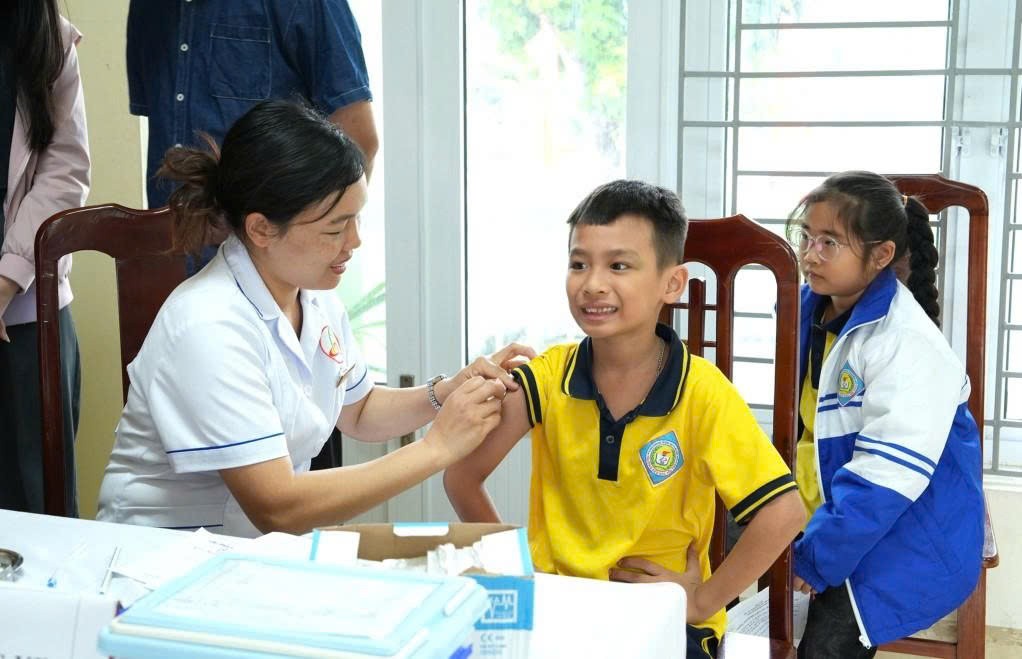
Streamlined and Efficient Health Network Reorganization
Each commune-level administrative unit now has at least one health station responsible for primary healthcare, expanded immunization, disease prevention, and implementation of national health programs. Notably, the Vân Đồn special economic zone has two health stations—one on the mainland and one on the island—tailored to its unique geographical conditions.
These health stations are the closest healthcare access points for residents, providing timely essential services ranging from preventive care and initial treatment to community health management and public health programs.
Strengthening and Developing Human Resources
Personnel have been reallocated from existing teams and supplemented by preventive health professionals from medical centers. Currently, the province has 253 doctors working at health stations, including 140 from previous stations and 113 transferred from medical centers—averaging 4.6 doctors per station, meeting the targets set by Resolution No. 72-NQ/TW.
Dr. Nguyễn Minh Tuấn, Deputy Director of the Department of Health, stated: “In the coming period, we will continue to propose suitable mechanisms and policies to ensure a stable, high-quality, and long-term grassroots healthcare workforce. We are focusing on training and professional development, collaborating with medical universities to organize advanced courses for local healthcare staff. This will enable them to master essential techniques such as ultrasound, ECG interpretation, patient screening, and appropriate referrals.”
Improving Service Quality and Public Trust
Dr. Đinh Thị Hoài, Head of the Hiệp Hòa Ward Health Station, shared: “After the restructuring, our ward now has one main station and two satellite points, making it more convenient for residents to access healthcare services. We’ve intensified public communication to raise awareness about the new health station model, updated household records, and developed continuous operational plans to ensure uninterrupted disease prevention and primary care. Staff have been assigned to specific areas, and we’re using the facilities flexibly across the main and satellite stations to gradually improve service quality. People now have greater trust in the system, seeing well-equipped stations with modern equipment, sufficient medication, and doctors always on duty.”
Future Goals and Direction
According to statistics from the first half of 2025, health insurance-covered medical visits at former commune health stations accounted for 16.1% of total provincial visits (214,038 out of 1,329,487). With the new 55 health stations fully operational and equipped with ultrasound, X-ray, lab testing, and medication dispensing capabilities, the health sector aims to increase the proportion of health insurance-covered visits at the commune level to over 20% in the near future.
Given the larger scale of communes and wards after administrative mergers, the Department of Health is working with local authorities to allocate a minimum of 5,000 square meters of land for each station, with plans to begin new construction in 2026 according to the provincial master plan. Starting November 6, the Department will conduct inspections to finalize locations and construction plans for the remaining stations, ensuring compliance with provincial directives.
With a comprehensive investment strategy covering both infrastructure and human resources, Quảng Ninh is strengthening its grassroots healthcare system, bringing medical services closer to the people and ensuring timely, equitable, and effective primary healthcare in line with the spirit of Resolution No. 72-NQ/TW.
(Source: baoquangninh.vn)
Related post
- Rehabilitation robots: applications, limits and selection criteria for medical facilities
- Anesthesia Machines in the Operating Room: Components, Functions, and Selection Criteria
- Une nouvelle exposition médicale internationale à Hô Chi Minh-Ville
- Trên 600 gian hàng quy tụ tại Triển lãm Y tế quốc tế Việt Nam 2017